
Large dogs • Limits and lasting protection

Choose protection for a large dog

A large dog’s policy should be tested through the full episode, from an urgent admission to the care that follows.

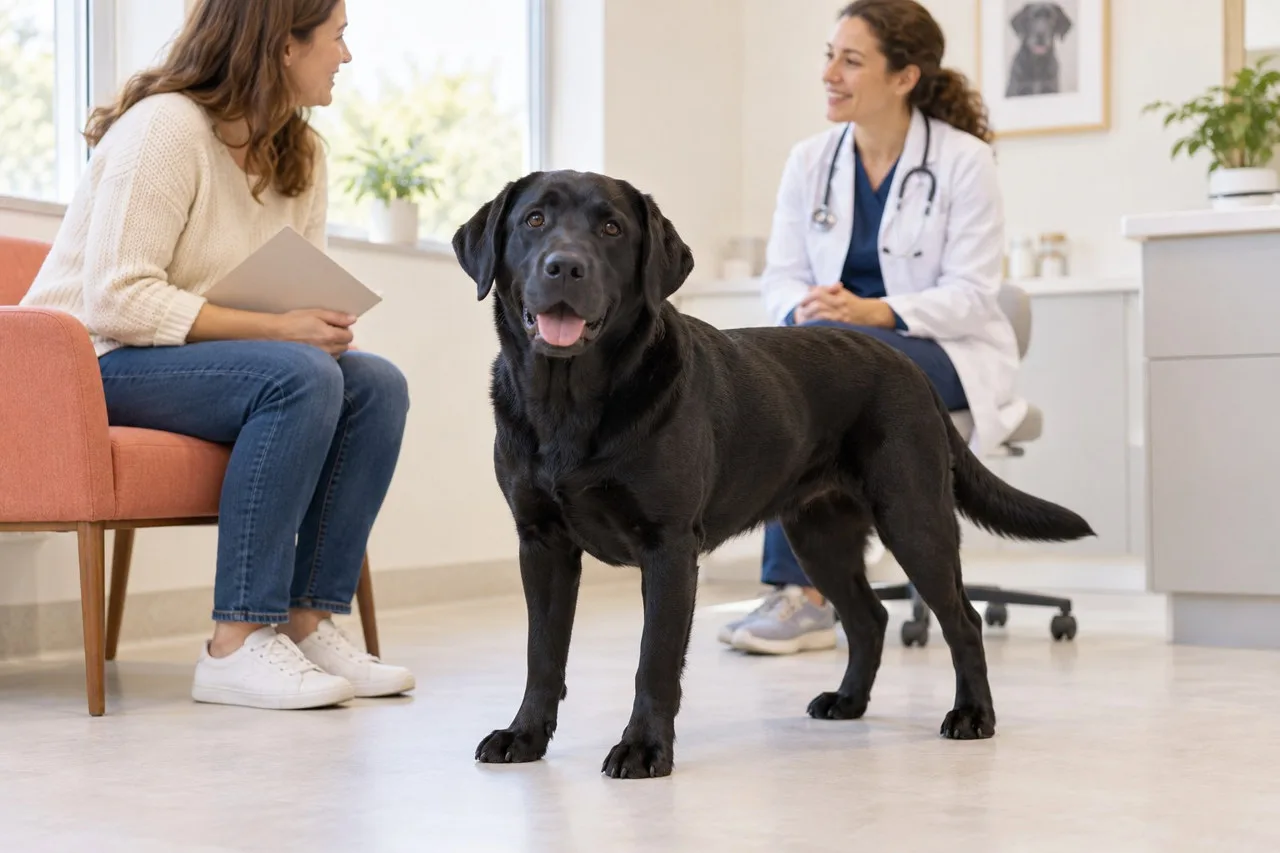
Large black dog beside an owner and veterinarian in a consultation room
✓ Policy-first ✓ Independent ✓ Useful checks
Direct answer
For a large dog, favor a policy whose eligible emergency, orthopedic and recovery benefits remain useful after a substantial bill. Check exclusions, treatment options and the cash needed at admission before choosing the lowest premium.
What to know

Use two scenarios, because “surgery” is too broad

One scenario is an unexpected emergency needing immediate stabilization and hospital care. Another is an orthopedic problem with investigation, a procedure if recommended and a recovery course. They place different demands on payment timing and benefits. Your veterinarian can identify which concerns are relevant to your dog; body size alone does not prescribe a policy.

ACVS describes gastric dilatation-volvulus as a life-threatening emergency and identifies deep-chested conformation among associated risks. A suspected emergency needs veterinary attention promptly, regardless of insurance arrangements. A preventive gastropexy is a separate proposed service and should not be assumed covered merely because emergency treatment may be eligible.

For the recovery scenario, list rechecks, prescribed medication and rehabilitation alongside the operation. A plan can include an eligible procedure yet leave a surrounding service outside its core. The selection task is to discover that difference before comparing premiums.

Claims

See what a payout cap can change

Here is an invented limit test, not a large-dog treatment estimate. Suppose a fully eligible $12,000 bill is calculated by subtracting a $500 deductible and then paying 80%. Before a cap, the result is $9,200.

Hypothetical remaining payout limit Illustrative insurer payment Owner’s part of the $12,000 bill
$5,000 $5,000 $7,000
$20,000 $9,200 $2,800
No applicable payout cap $9,200 $2,800

The uncapped and higher-limit examples produce the same result here, because neither cap binds. This does not make them equivalent for a larger or later bill. It shows why “unlimited” should be assessed against the risk you want to transfer rather than treated as an automatic recommendation.

The calculation assumes the same premium-independent settings, no excluded charges, no special sublimit, no prior benefit usage beyond the stated remaining limit and deductible-before-percentage order. The real contract may differ. Premiums are deliberately omitted because no personal quotes were collected; add them when comparing actual offers.
Coverage

Keep the recovery benefit in the quoted configuration

Candidate Selection advantage to investigate Tradeoff to price or verify
Trupanion No payout limits in the described product, plus possible participating-hospital direct payment. Per-condition deductible and excluded exam fees; verify any additional recovery rider needed.
Embrace Current overview includes rehabilitation and specialist care for eligible conditions. Exact state orthopedic rules, selected exam/prescription features and annual benefits.

Do not label a rehabilitation column “yes” without checking the actual selection. Ask which professionals and methods qualify, whether a veterinarian must prescribe the care and whether a separate limitation applies. These are contract questions, not a suggestion to add treatments your dog does not need.

Pet profile

Protect continuity as the dog’s needs change

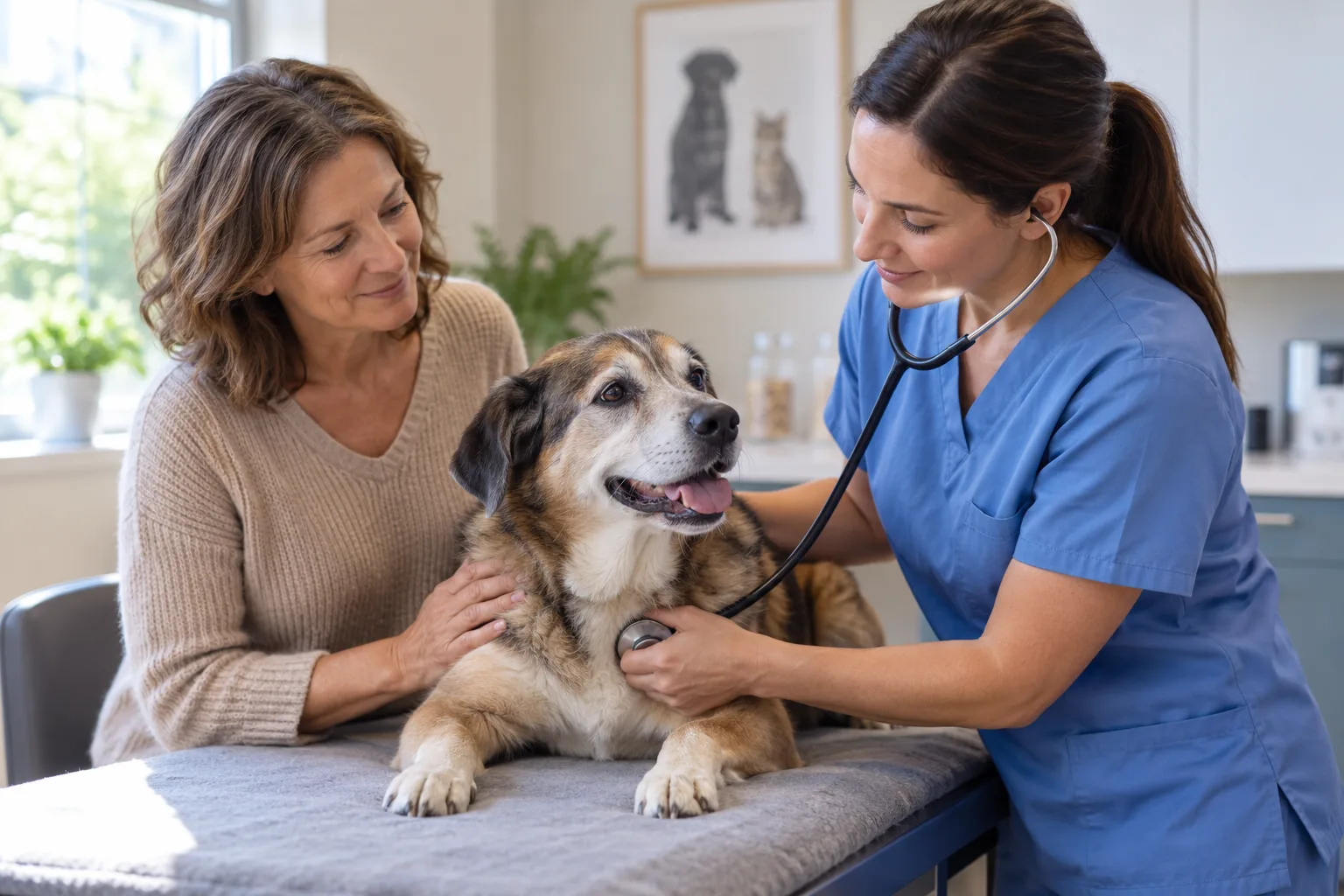
Veterinary professional and owner beside a large dog
Follow-up care and continuing protection belong in the comparison.

For a dog already insured, start with the existing policy’s treatment of any ongoing problem. A new provider may assess the dog’s accumulated history differently. Do not cancel while comparing a lower renewal alternative until you understand which protection would be lost and when the replacement would actually begin.

For a newly insured dog, keep orthopedic records and ask how related or bilateral conditions are defined. A symptom affecting one leg can be important to another claim depending on the wording; this page does not assume all policies apply the same rule. Put an unresolved history question beside the price instead of burying it in notes.

Choose a premium you can continue paying while retaining funds for excluded care, deductibles and the initial hospital charge. The strongest fit is the policy whose limits, service scope and payment mechanism withstand your chosen scenarios, with a clear understanding of what still stays with you.

Evidence

Sources and policy context

These public references support the consumer or veterinary context. Named insurer details were checked in official product materials; the policy offered for your pet and state determines the actual terms.

Next step

Compare Current Pet Insurance Rates

Check current options for your pet and location, then compare the policy details, exclusions, costs, and eligibility before choosing.

Compare the policy before you choose Check the actual offer, exclusions and out-of-pocket terms.
See Rate Options